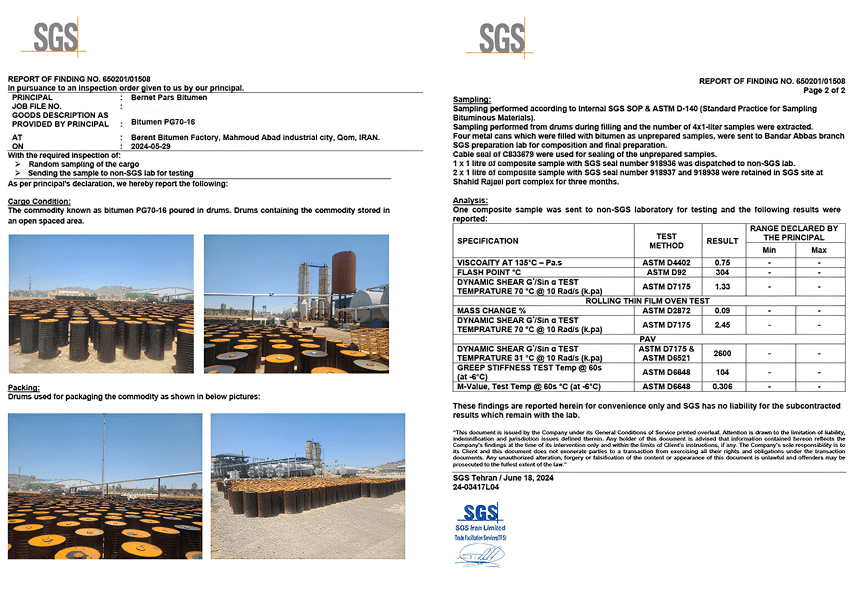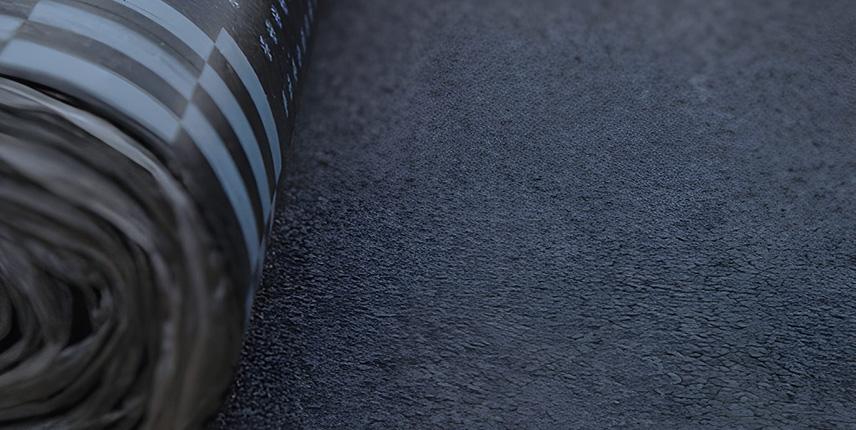

Bitumen PG 70-16: High-Performance Binder for Demanding Pavements
Bernet Pars Bitumen’s PG 70-16 is a high performance Superpave asphalt binder engineered for pavement temperatures ranging from 70°C to -16°C. With strong resistance to rutting and sufficient flexibility in colder conditions, it supports durable, long lasting pavement construction on heavily trafficked highways, urban roads, airfields, and industrial surfaces.
Performance Across Temperature Extremes
The Performance Grade classification indicates the pavement-temperature range in which the binder is designed to perform:
- 70°C high temperature grade: Helps resist softening, rutting, and permanent deformation under heavy traffic during hot weather
- -16°C low temperature grade: Maintains flexibility and reduces the risk of brittle thermal cracking in moderately cold conditions
This temperature range makes PG 70-16 suitable for demanding climates with hot summers and moderately cold winters.
Technical Performance and Modification
PG 70-16 is designed to provide a balance between high-temperature stability and low-temperature flexibility. Its principal performance characteristics include:
- Strong rutting resistance under repeated and heavy traffic loads
- Improved flexibility at lower pavement temperatures
- Reliable thermal stability across its specified temperature range
- Enhanced pavement durability and service life
Applications of Bitumen PG 70-16
PG 70-16 is intended for pavement projects exposed to high traffic stress and significant temperature variation. Its typical applications include:
- Main highways and other heavy traffic roadways
- Busy urban roads and intersections
- Truck lanes exposed to repeated heavy axle loads
- Industrial pavements
Its performance characteristics make it a practical choice where resistance to deformation and temperature-related damage is essential.
Suitability for Regional Projects
The temperature range and performance profile of PG 70-16 make it suitable for demanding pavement applications in Iran, the UAE, Saudi Arabia, and Turkey. In these markets, pavements may experience intense summer heat while still requiring sufficient flexibility during cooler periods.
By helping reduce rutting, permanent deformation, and thermal cracking, PG 70-16 can improve pavement performance and contribute to lower maintenance requirements over the pavement’s service life.
Conclusion
Bernet Pars Bitumen’s PG 70-16 combines high temperature rutting resistance with low-temperature flexibility in a Superpave binder designed for demanding pavement conditions. Its compliance with AASHTO M320, broad application range, and suitability for heavy traffic and challenging climates make it a dependable solution for highways, urban roads, airfields, and industrial pavements.