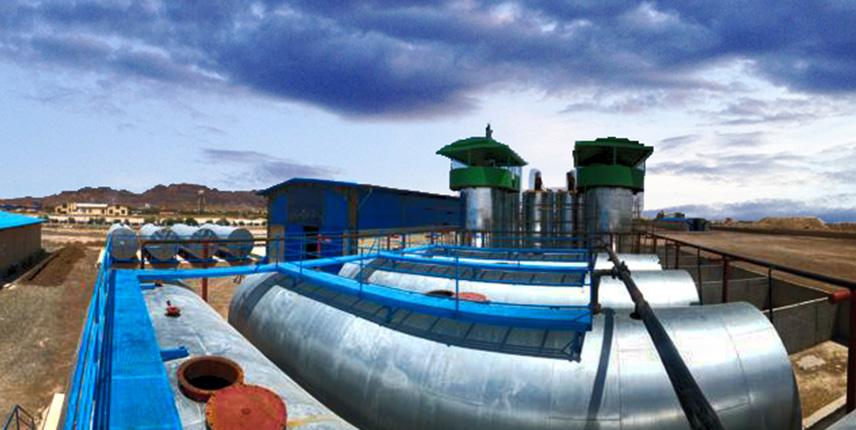

What is Bitumen?
Bitumen is a dark, sticky, and highly viscous substance that plays a vital role in modern construction and infrastructure. Most commonly recognized as the “glue” that binds asphalt for roads, bitumen also serves as a waterproofing and sealing agent in roofing and industrial applications.
This unique material is primarily produced during the refining of crude oil, where lighter fractions such as gasoline, diesel, and kerosene are separated, leaving behind a heavier residue known as bitumen.
How is Bitumen Made?
Bitumen is created through the distillation of crude oil. During this process, the crude oil is heated to separate its components based on their boiling points. Lighter hydrocarbons rise and are collected as fuels like petrol or kerosene, while heavier elements remain at the bottom, forming the thick, tar-like bitumen.
This process not only determines the consistency of bitumen but also its quality and grade, which can vary depending on the source of crude oil and refining method used.
Composition of Bitumen
Chemically, bitumen is a complex mixture of hydrocarbons and trace elements such as sulfur, oxygen, nitrogen, calcium, and iron.
Because its exact composition depends on the origin of the crude oil, refineries can adjust the refining process to create different types of bitumen suited for specific industrial or climatic conditions.
For example, softer grades are often used in colder regions to prevent cracking, while harder grades are ideal for hot climates to resist softening.
Natural vs. Refined Bitumen
Although most of the world’s bitumen comes from oil refining, natural bitumen deposits also exist. These are formed over millions of years as organic materials decompose under heat and pressure, gradually transforming into bitumen.
Natural bitumen can be found in tar sands or oil sands, with well-known deposits in places like Canada, Venezuela, and Trinidad. These natural sources are mined and then processed to extract usable bitumen.
Key Uses and Applications of Bitumen
Bitumen’s waterproofing, adhesive, and temperature-resistant properties make it an essential material in several industries. Some of the most common applications include:
1. Road Construction
The majority of bitumen produced globally is used in asphalt paving. When mixed with aggregates, it forms asphalt concrete, the durable surface material used for roads, highways, airports, and parking lots.
2. Roofing and Waterproofing
Bitumen is used in roofing felt, membranes, and sealants, offering long-term protection against water damage. Its waterproofing properties make it a top choice for basements, foundations, and tunnels.
3. Industrial and Protective Coatings
In industries, bitumen serves as a protective coating for pipelines, metal structures, and marine applications due to its resistance to moisture and corrosion.
Why Bitumen Matters
Bitumen may not always be visible, but it is one of the unsung heroes of modern infrastructure. From highways to rooftops, it helps keep our world connected and protected. Its versatility, durability, and cost-effectiveness ensure it will remain a cornerstone material in engineering and construction for decades to come.
Conclusion
In short, bitumen is more than just a black, sticky substance, it’s a versatile engineering material that supports modern life in countless ways. Whether refined or natural, its unique chemical makeup and performance properties make it indispensable for building durable, weather-resistant, and long-lasting structures.