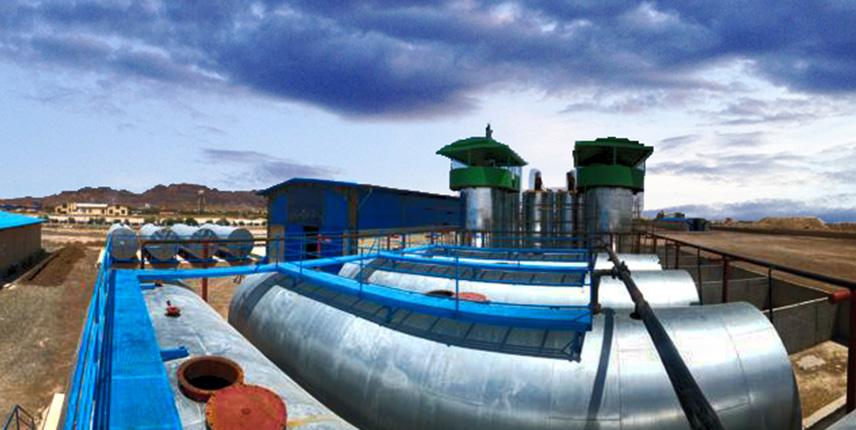

Bitumen Applications
Bitumen is one of the most versatile materials used in modern construction and infrastructure. Known for its waterproofing, adhesive, and protective qualities, bitumen provides strength and durability to structures that face extreme environmental conditions.
From highways and airports to roofs and pipelines, bitumen’s adaptability makes it indispensable in multiple industries. Let’s explore the key applications of bitumen and understand why it continues to be a trusted material for engineers and builders worldwide.
Bitumen in Road Construction and Paving
Bitumen is most commonly recognized for its role in road and highway construction. When mixed with aggregates, it forms asphalt concrete, a strong and flexible material used for:
- Highways and expressways
- City roads and rural pavements
- Airport runways
- Parking lots and footpaths
Because of its adhesive and waterproof properties, bitumen binds the aggregates together and provides a smooth, resilient surface that withstands heavy traffic and varying temperatures.
Engineers prefer bitumen because it can be easily maintained and recycled, making it a cost-effective and sustainable choice for modern road networks.
Bitumen for Roofing and Waterproofing
In the construction industry, bitumen is widely used for roofing systems and waterproof membranes. Its ability to repel water and resist temperature changes makes it perfect for:
- Flat and sloped roofs
- Basements and foundations
- Tunnels and bridges
- Dams, reservoirs, and water tanks
- Bituminous membranes and coatings help protect buildings from water infiltration and moisture damage, extending the lifespan of structures and reducing maintenance costs.
Industrial Applications of Bitumen
Beyond construction, bitumen has an essential role in various industrial processes. It is used as a protective coating to prevent corrosion and damage in:
- Pipelines and cables
- Steel structures
- Marine facilities
- Storage tanks
Bitumen’s chemical stability and resistance to water, air, and chemicals make it ideal for safeguarding equipment and infrastructure against environmental degradation.
Bitumen in Soundproofing and Insulation
Bitumen is also valued for its sound-absorbing and insulating qualities. It is often used in:
- Acoustic insulation panels
- Vibration-damping materials
- Soundproof flooring systems
In buildings and vehicles, bitumen layers help reduce noise and vibration, creating quieter and more comfortable environments.
Specialized and Emerging Applications
As technology advances, new bitumen-based products continue to emerge. Some of these include:
- Polymer-Modified Bitumen (PMB): Enhanced flexibility and performance under extreme weather.
- Bitumen Emulsions: Environmentally friendly options for cold mix paving.
- Decorative asphalt: Colored and textured bitumen surfaces for urban landscapes and pedestrian zones.
These innovations extend bitumen’s usability beyond traditional infrastructure and into sustainable and aesthetic construction solutions.
Why Bitumen Remains the Preferred Choice
Bitumen’s popularity lies in its unique combination of properties, it’s durable, cost-effective, recyclable, and adaptable. Engineers and builders around the world continue to choose bitumen for projects that demand longevity, performance, and reliability.
Whether it’s providing smooth roads, sealing rooftops, or protecting pipelines, bitumen remains a cornerstone material in modern construction.
Conclusion
Bitumen applications span across industries, from transportation infrastructure to industrial protection and building waterproofing. Its durability, flexibility, and weather resistance ensure long-term performance even in challenging conditions.
As innovation continues, bitumen’s role will only expand, reinforcing its position as one of the most essential materials in construction and engineering.